
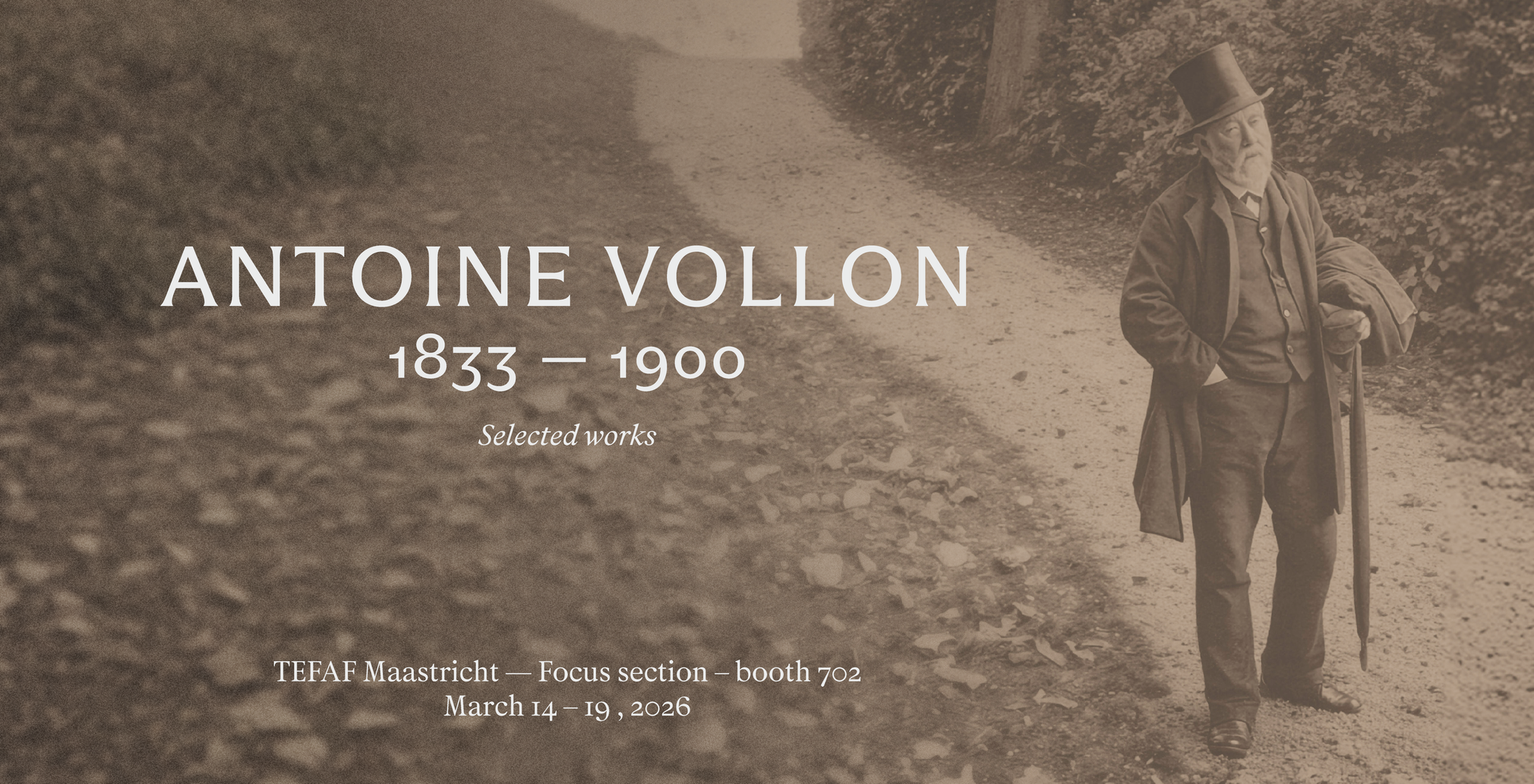
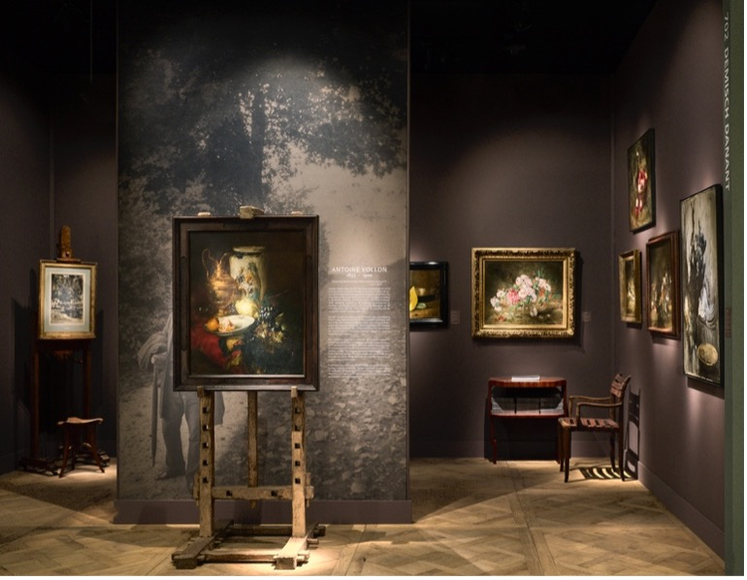
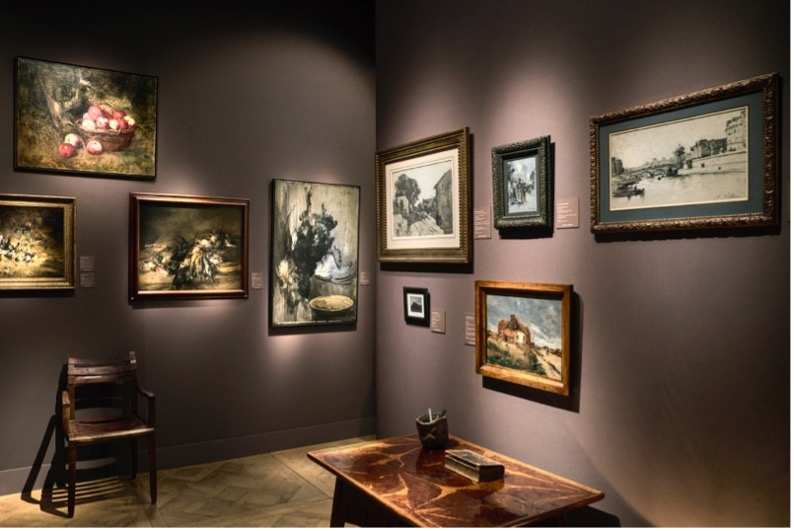
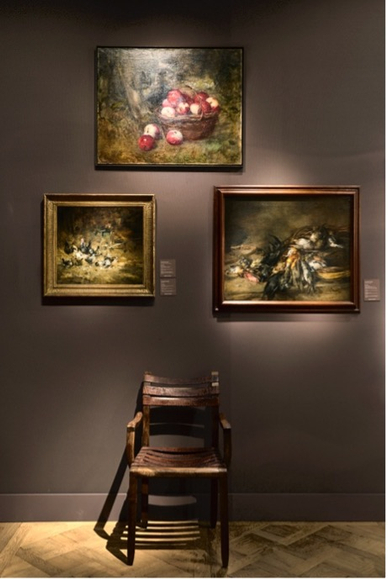
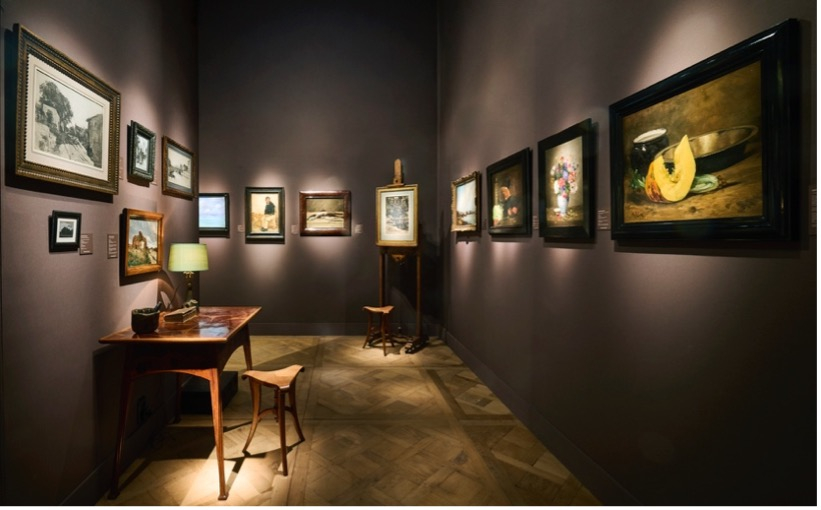
Antoine Vollon (1833 – 1900) | Selected Works
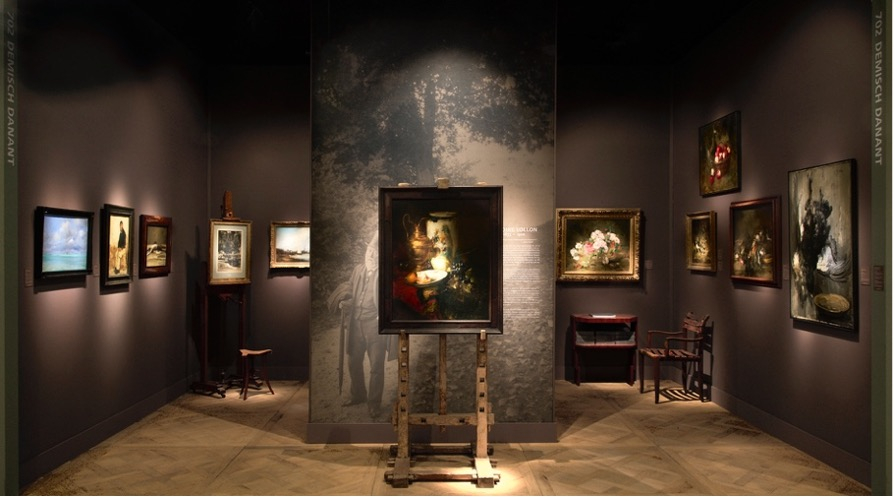
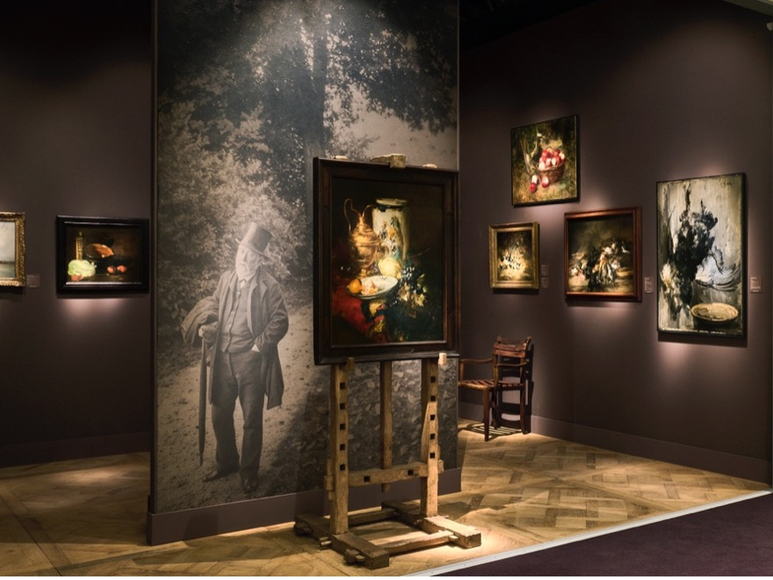
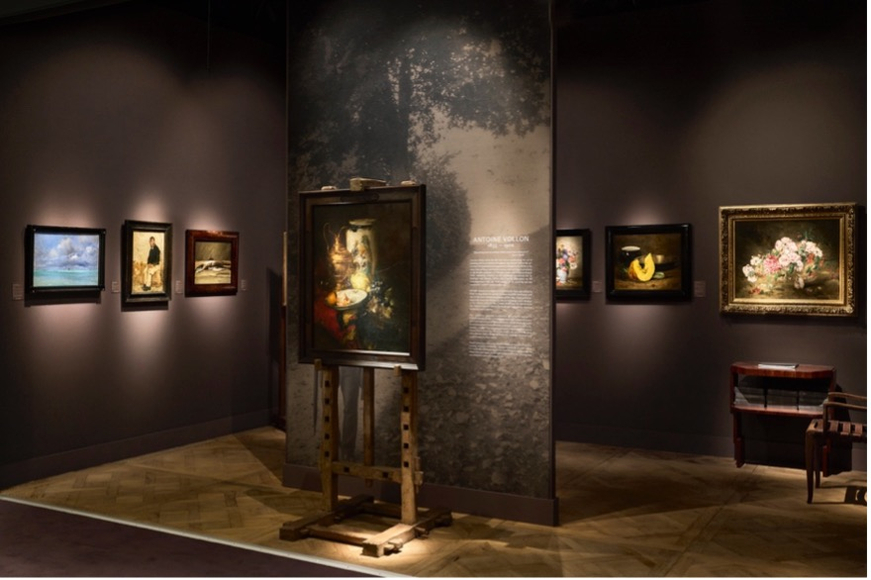
TEFAF Maastricht 2026
Booth #702
March 14 – 19, 2026
We shall see if I am still something of a painter
Nous allons voir si je suis encore un peu peintre
— Excerpt from a letter by Antoine Vollon, undated, private collection
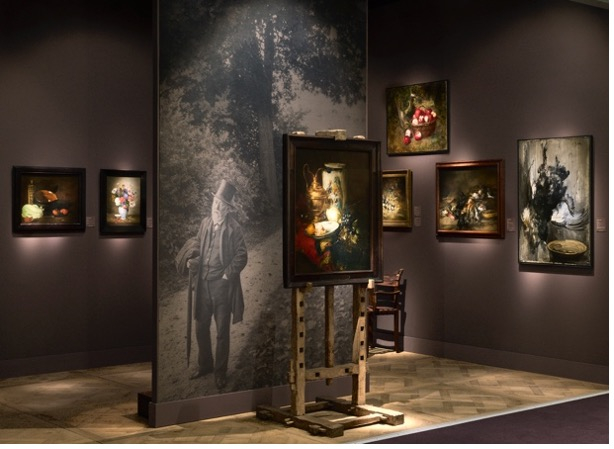
Antoine Vollon devoted his life and his work to painting. Developing his art of still life at the same time as Manet and Fantin-Latour, moving in the early 1860s in close proximity to the Realist aesthetics of Théodule Ribot and François Bonvin while remaining receptive to the revolution in landscape painting led by the forerunners of Impressionism, Daubigny and Boudin, Antoine Vollon never ceased to question the art of painting and its evolution over the second half of the 19th century. With the example of past centuries always in mind, he left a strong impression on his contemporaries through the candor of his painting and his ever-renewed creative ambition.
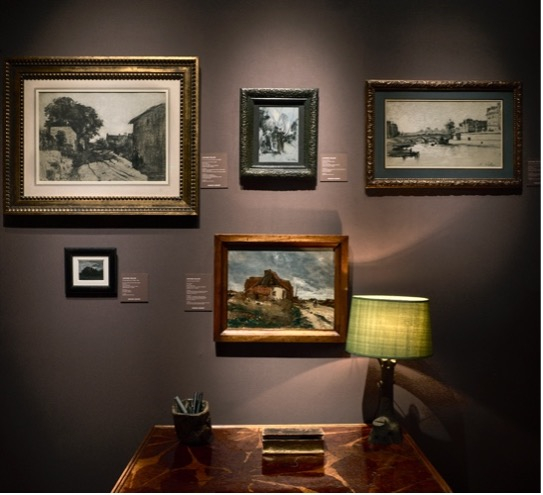
Trained as an engraver in the 1850s in his native city of Lyon, and becoming a draftsman whose work is more discreet but instantly recognizable, Antoine Vollon was one of the most important painters of his time. From his participation in the Salon des Refusés in 1863 to his appointment as a member of the jury of the official Salon in 1870, thus gaining a form of legitimacy among collectors, critics, and the Academy, he developed his oeuvre out of a tension between freedom and convention, between modernity and tradition. This is felt as much in his still lifes as in his landscapes, of which we share here a representative selection.
This catalogue and the exhibition it accompanies offer a new perspective on the art of Antoine Vollon. Each painting and drawing presented here allows us to feel the painter’s passion and his sensibility. From his earliest years, Vollon dared fully, and his success was as remarkable as it was steady and serene. Like every major painter, he was as sharply criticized in the press as he was admired by his peers and crowned with prizes. His painting divides, questions, surprises, and delights. Certain elements are unmistakable: the frankness of his palette, the sureness of his hand and eye, which compose and create the overall harmony. These are among Vollon’s most remarkable qualities.
In the printed press of the time, such praises of his art could be read, here in the words of the art critic Émile Cardon: Because Vollon has displayed incomparable virtuosity in one genre, still life, one would be wrong to confine him to it and to overlook the talent he has shown as a figure and landscape painter. His mastery reveals itself and asserts itself in everything he does. […] Vollon is wholly present here, in all his diversity, always a master not only in one genre but in all, animating everything, giving life to everything, to objects as well as to people, always powerful, always original, always incisive, with an eye that belongs only to him, a palette that is his alone. (Moniteur des Arts, August 30, 1889)